
Vehicle Charging Installed at Your Property
EV Chargers in Baird for property owners adding convenient charging access at residential or commercial locations
When you drive an electric vehicle and need a reliable way to charge it at home or at your business, the existing electrical system must be evaluated to determine whether it can support the additional load without overloading circuits or requiring panel upgrades. Reep Electric LLC installs EV chargers at properties in Baird where vehicle owners want faster, more convenient charging than standard outlets provide. The installation involves assessing your current electrical capacity, selecting an appropriate charger location, and running dedicated circuits that handle the charger's power draw safely and efficiently.
EV charger installation begins with evaluating the electrical panel to confirm available capacity for a new dedicated circuit, typically requiring 40 to 60 amps depending on the charger model. The charger location is chosen based on where you park, the distance from the panel, and accessibility for daily use. A dedicated circuit is installed to prevent the charger from interfering with other household or business electrical demands.
Schedule a consultation to review your vehicle specifications, preferred charger model, and property layout.
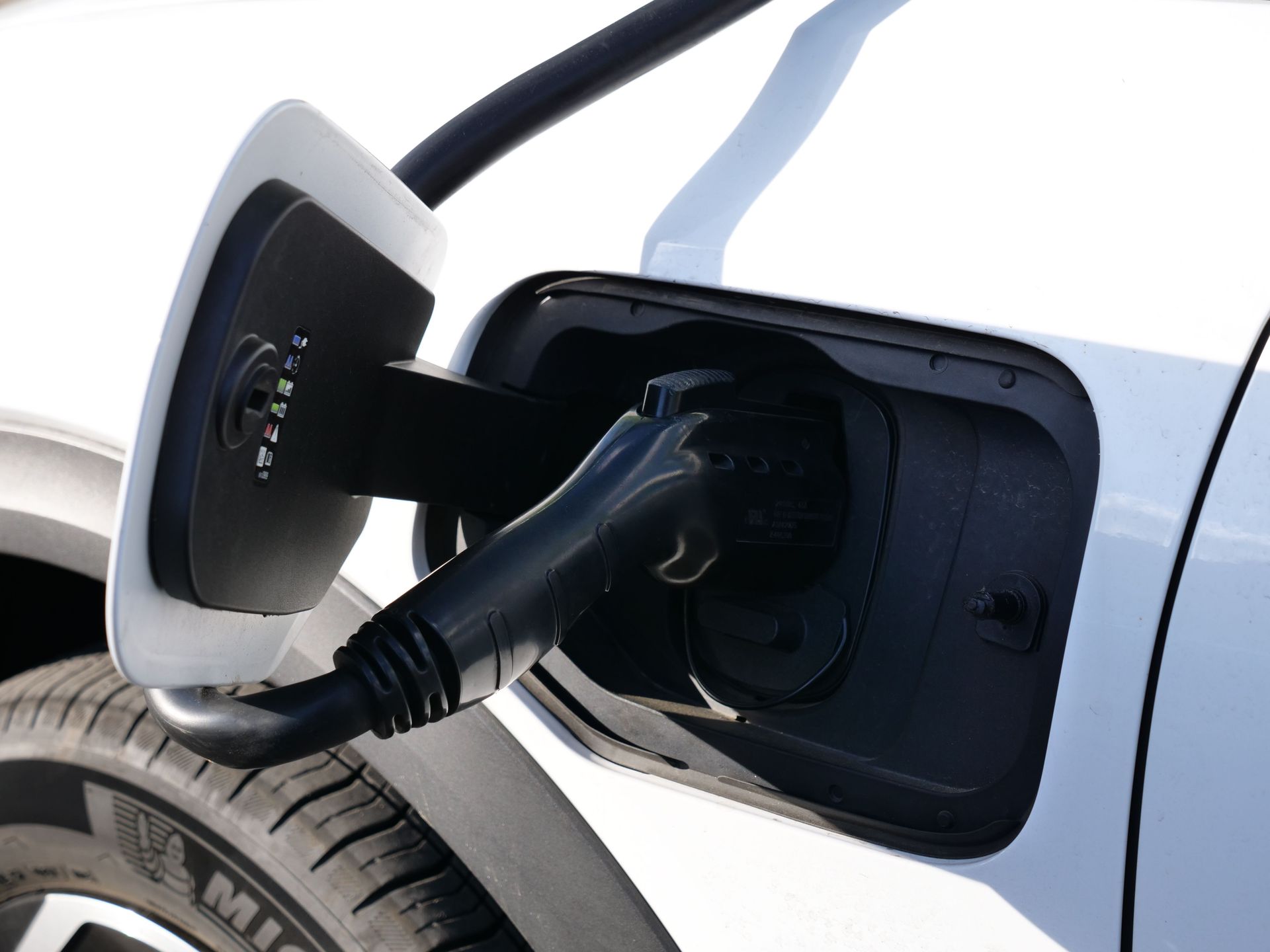

How EV Charger Installation Addresses Electrical Capacity
The electrician inspects your existing panel to determine whether it has open slots and sufficient amperage to support the charger without exceeding the panel's total capacity. If the panel is near its limit, options include upgrading the panel, redistributing existing circuits, or installing a sub-panel to accommodate the new load. The charger is mounted on a wall or post near your parking area, and conduit protects the wiring from the panel to the charger location.
After installation, you plug your vehicle into the charger at your property instead of relying on public charging stations or slow-charging through standard outlets. Charging happens faster, typically adding significant range overnight, and the dedicated circuit prevents other appliances or systems from losing power when the charger is in use. The charger remains accessible whenever you park, eliminating trips to external charging infrastructure.
Charger compatibility depends on your vehicle's requirements and the charger model you select, and some installations require additional electrical work if the distance from the panel to the charger location is significant. Outdoor installations use weatherproof enclosures and appropriate conduit to protect electrical components from exposure.
Answers to Frequent Service Questions
Property owners preparing to install EV chargers often ask about compatibility, installation requirements, and how the charger affects their electrical system.
What electrical capacity does an EV charger require?
Most residential Level 2 chargers operate on 240-volt circuits with 40 to 60 amps of capacity, similar to the circuit used by an electric dryer or oven. The exact requirement depends on the charger model and your vehicle's charging specifications. Higher-capacity chargers deliver faster charging but require larger circuits and more available panel capacity.
How is the charger location selected?
The charger should be positioned near where you regularly park, within reach of your vehicle's charging port, and close enough to the electrical panel to keep wiring costs reasonable. Outdoor installations require weatherproof mounting and conduit protection, while garage installations offer easier access to electrical panels and protection from weather. In Baird, where residential properties often include detached garages or carports, placement decisions affect installation complexity and cost.
What happens if my electrical panel cannot support the charger?
If the panel lacks available capacity or open slots, the electrician may upgrade the panel to a higher amperage, install a sub-panel dedicated to the charger, or rebalance existing circuits to create space. Panel upgrades are more common in older homes where electrical systems were not designed for modern high-demand appliances.
How long does EV charger installation typically take?
Installation time depends on the distance between the panel and the charger location, the condition of the existing electrical system, and whether panel upgrades are needed. Straightforward installations with short wire runs and adequate panel capacity are completed more quickly than installations requiring panel upgrades or extensive conduit work.
Why does a dedicated circuit matter for EV charging?
A dedicated circuit prevents the charger from sharing electrical capacity with other appliances, which reduces the risk of tripped breakers and ensures consistent charging performance. Sharing circuits with high-demand devices can cause interruptions and slow charging speeds, especially if multiple appliances operate simultaneously.
Reep Electric LLC evaluates your property's electrical setup and installs EV chargers that match your vehicle and charging needs. Arrange an evaluation to discuss your vehicle, preferred charger, and property details before moving forward with installation.