
Repairs and Upgrades for Home Electrical Systems
Residential Electrical Services in Baird for homes needing troubleshooting, panel upgrades, lighting improvements, and electrical work during renovations
Homes develop electrical needs over time—circuits fail, panels reach capacity as appliances and systems are added, and renovation projects require new wiring for updated layouts. Residential electrical services address these evolving requirements through repairs, troubleshooting, upgrades, and installations tailored to how homes are used. Reep Electric LLC works on existing houses and new residential construction in Baird, handling everything from diagnosing outlet failures to installing complete electrical systems in new builds. The work ranges from service calls addressing immediate problems to planned projects improving electrical capacity, lighting, and system reliability.
Residential electrical work involves understanding how existing systems are configured, identifying limitations in aging infrastructure, and integrating new installations without overloading circuits or panels. Projects include outlet and switch installations, lighting upgrades, panel replacements, generator connections, EV charging installations, and electrical rough-in for additions or remodels. Each project requires matching the work to the home's current electrical capacity and planning circuits to support both present needs and anticipated future loads.
Call for a service visit to address electrical problems or request an estimate for planned upgrades and installations.

What Changes After Residential Electrical Work Completes
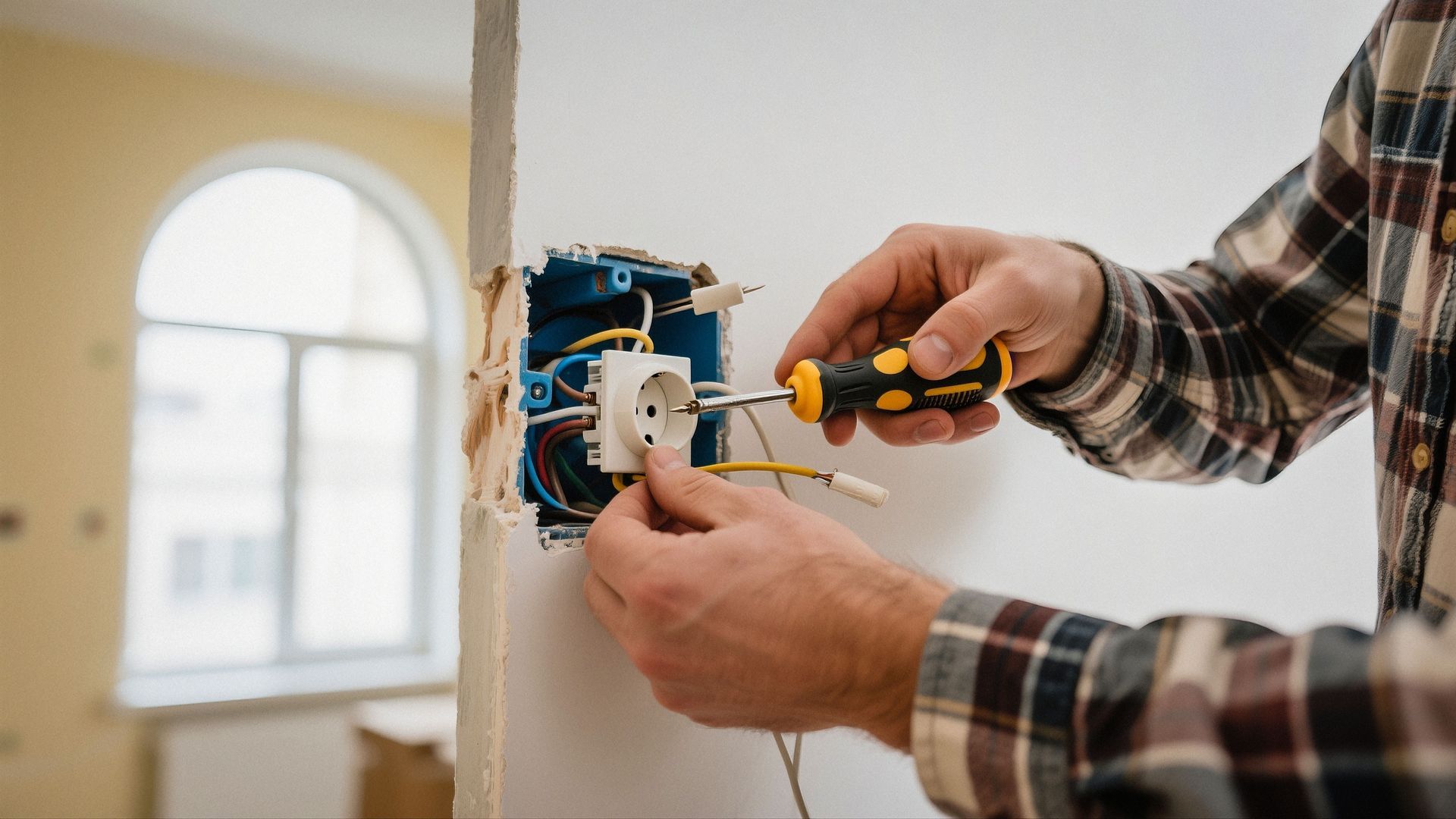
Residential electrical projects begin with evaluating the existing system—testing circuits, inspecting the panel for available capacity, and identifying whether current infrastructure can support planned improvements. For service calls, this means diagnosing which component failed and determining the necessary repair. For upgrades and installations, it involves calculating loads, planning circuit routes, and ensuring all work meets current code requirements for residential wiring, grounding, and protection devices.
After the work is finished, electrical problems that disrupted daily routines are resolved—outlets work reliably, lighting operates as intended, and circuits no longer trip unexpectedly. Upgrades provide additional capacity for modern appliances and electronics that older electrical systems weren't designed to handle. New installations during remodels or additions integrate seamlessly with existing wiring, and updated panels offer safer circuit protection with labeled breakers and room for future expansion. Homes gain the electrical infrastructure needed to support current use without constant workarounds or limitations.
Residential electrical services also include adding dedicated circuits for high-draw appliances, installing whole-house surge protection, upgrading outdated wiring in older homes, and configuring electrical systems for energy efficiency improvements. The scope varies based on the home's age, current electrical condition, and whether work is driven by immediate needs or long-term planning.
Questions Before Starting Your Project
Homeowners planning electrical work or facing electrical problems often have questions about what the work involves and how it affects their property. These answers cover typical residential electrical considerations in the Baird area.
What signs indicate a home's electrical panel needs upgrading?
Frequent breaker trips, reliance on extension cords because outlets are insufficient, flickering lights when appliances start, and lack of available breaker slots for new circuits all suggest the panel has reached capacity. Older panels with outdated breaker types or inadequate amperage for modern electrical loads also warrant replacement to improve safety and functionality.
How does electrical work integrate with home renovation projects?
Electrical rough-in occurs after framing and before drywall, allowing wiring to be routed through walls and ceilings to new outlet, switch, and fixture locations. This phase requires coordination with other trades, inspection before walls close, and final installation of devices and fixtures after finishing work is complete.
When do older homes require rewiring?
Homes with outdated wiring materials, insufficient grounding, undersized circuits for current electrical use, or visible deterioration in wiring insulation may need partial or complete rewiring. The extent depends on how much of the existing system is salvageable and whether the work is isolated to specific areas or involves the entire electrical distribution system.
What electrical considerations apply to EV charging installations?
EV chargers draw significant continuous loads, typically requiring a dedicated 240-volt circuit with appropriate amperage based on the charger model. Installation involves confirming the panel has available capacity, running circuit wiring to the charging location, and installing a compatible outlet or hardwired connection per manufacturer specifications.
How do residential electrical needs differ between existing homes and new construction?
Existing homes require working within established infrastructure, identifying what can be reused, and upgrading systems that no longer meet demand. New construction starts with a clean slate, allowing electrical systems to be designed around the home's layout, anticipated loads, and future expansion possibilities without constraints from previous installations.
Reep Electric LLC provides residential electrical services for repairs, upgrades, installations, and new construction projects across the Baird area. Call (325) 332-5802 to schedule a service visit or discuss planned electrical work.