
Backup Power for Utility Interruptions
Generator Installation in Baird for properties preparing for weather-related outages and power reliability concerns
West Central Texas experiences utility interruptions from severe weather, ice storms, and grid strain during peak demand periods, leaving homes and businesses without power for hours or days. Generator installation prepares a property to maintain critical electrical systems during these outages by providing backup power through a professionally installed electrical connection. The installation involves integrating the generator with the property's existing electrical system, installing a transfer switch, and ensuring proper circuit allocation so essential loads receive power when the utility supply fails.
Generator installation isn't simply placing a unit outside—it requires evaluating the property's electrical panel, calculating which circuits need backup power, and installing switching equipment that prevents backfeeding into utility lines. Reep Electric LLC handles the electrical installation aspects of generator projects in Baird, matching the generator's output capacity to the property's electrical requirements and ensuring safe, code-compliant integration with existing systems.
Discuss generator installation needs and request an estimate to review circuit priorities, transfer switch options, and installation requirements for your property.
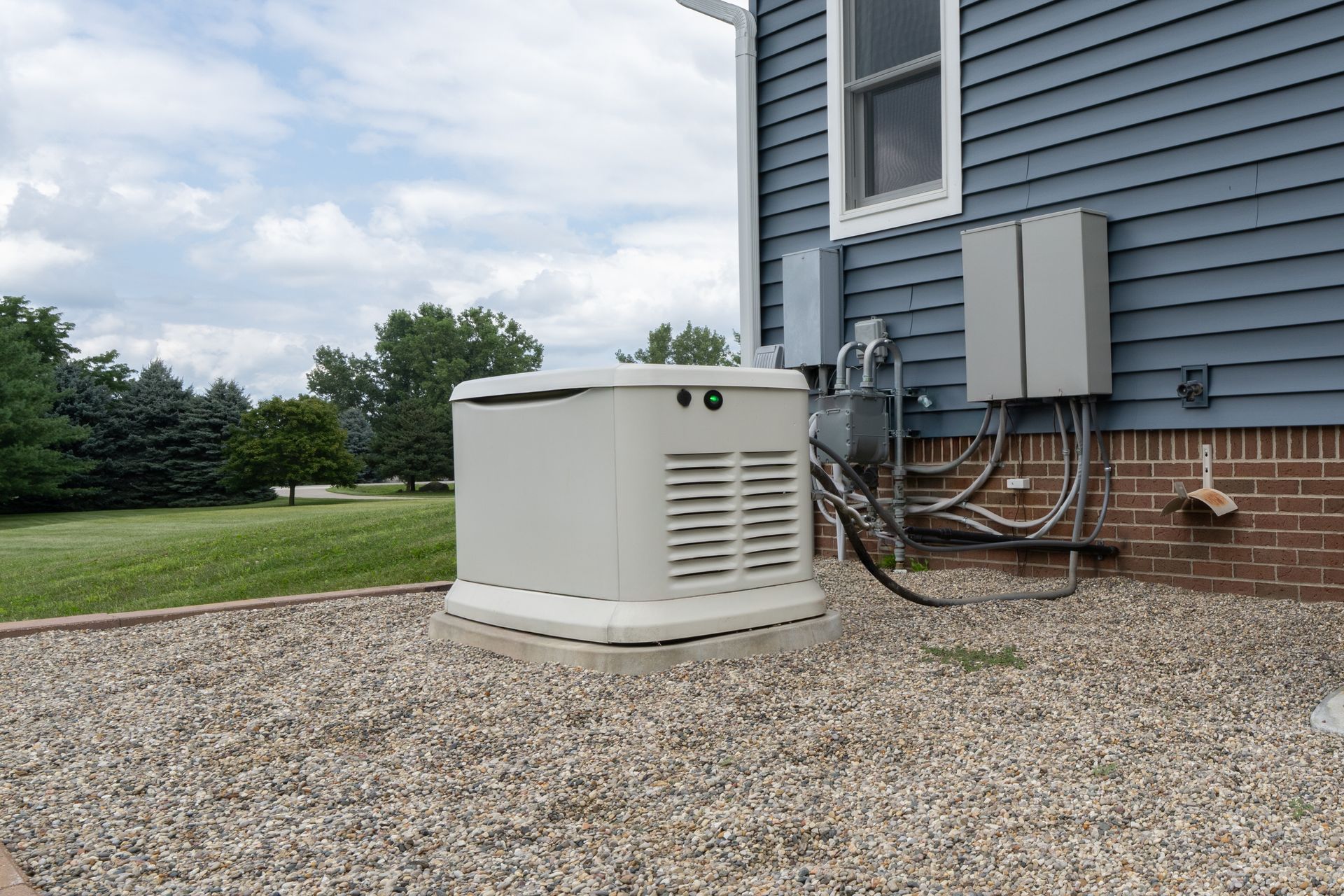

What Generator Installation Actually Accomplishes
Installing a generator begins with determining which electrical loads need backup power—refrigeration, heating or cooling equipment, well pumps, lighting, and essential outlets are common priorities. The electrician calculates total wattage requirements for those loads, confirms the generator's capacity can handle the demand, and installs a transfer switch that isolates the property from the utility grid during operation. This prevents the generator from energizing utility lines, which creates hazards for line workers and damages the generator itself.
After installation, power outages no longer leave your property completely dark and without critical systems. When utility power fails, the transfer switch activates, the generator starts, and designated circuits receive power within seconds or minutes depending on the system type. Refrigeration continues, heating or cooling systems operate, and lighting remains functional in key areas. Once utility power returns, the system transfers back automatically or manually depending on the transfer switch design, and the generator shuts down.
Generator installations vary based on whether the system powers select circuits or the entire electrical panel, the type of transfer switch used, and the generator's fuel source and starting method. The electrical work includes conduit runs from the generator location to the transfer switch and panel, proper grounding, and ensuring all connections meet code requirements for outdoor electrical equipment exposed to temperature and weather variations typical in the Baird area.
Common Questions About This Service
Generator installation involves decisions about system capacity, circuit selection, and integration with existing electrical infrastructure. These answers address typical questions from property owners in Baird considering backup power options.
What determines which circuits receive backup power?
Circuit selection depends on the generator's capacity and which electrical loads are essential during outages. An electrician reviews your panel, calculates wattage for heating systems, refrigeration, well pumps, and critical outlets, then configures the transfer switch to supply those circuits without exceeding the generator's rated output.
How does a transfer switch prevent backfeeding into utility lines?
The transfer switch physically disconnects the property from the utility grid before connecting the generator, ensuring power flows only within the property's electrical system. This mechanical or electrical interlock prevents simultaneous connection to both sources, which would energize utility lines and create dangerous conditions for repair crews and neighbors.
Why does generator capacity need to match the property's electrical setup?
Generators are rated by maximum wattage output, and total connected load cannot exceed this limit without causing the generator to shut down or operate inefficiently. Proper sizing involves calculating starting wattage for motors, continuous wattage for lighting and electronics, and ensuring the generator can handle peak demand without overload.
When do weather conditions in Baird most commonly cause power outages?
Ice storms, severe thunderstorms, and high wind events typical in West Central Texas frequently damage utility infrastructure, resulting in outages lasting from several hours to multiple days. Generator systems provide backup during these events, maintaining power for essential systems until utility service is restored.
What electrical work is involved beyond connecting the generator?
Installation includes mounting the transfer switch near the electrical panel, running conduit and wiring from the generator pad to the switch location, establishing proper grounding, and configuring circuit connections based on the backup power plan. Outdoor components require weatherproof enclosures and secure mounting to withstand wind and temperature extremes.
Reep Electric LLC installs generators for residential and commercial properties preparing for utility interruptions. Call (325) 332-5802 to discuss your backup power requirements and schedule an estimate for generator installation.